“Yatho Dhrishtisto Manaha!” Bharatnatyam, a temple-turned-classical beau art
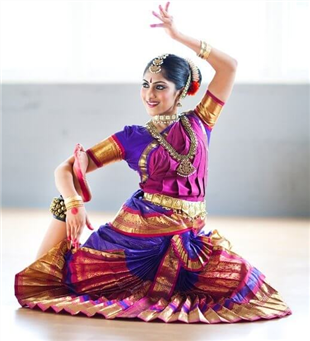
Time: 4000 BC – Sage Bharata
That’s whence it started. People called them DEVDASIS. Bringing forth exaggerated feminism, they were reduced to courtesans. It was confined to a temple dance to please Hindu deities, and it served men from this culture for forbidden acts too.
Every act performed by them on stage was pre-designed by Bharata (Ref, Natyashastra).
Besides…
I agree! It’s highly dramatic. One moment it could be the mudra; the next moment it could be rasa. So much of poetry incorporated with drama! Nrityagram matters as much as hands and body moves to rhythm. Heavily drawn eyelashes are the first thing that ever strikes our mind. A temple-turned-classical dance, Bharatnatyam talks its history in quietness, unlike materialistic bureaucrats show it in the false light of money and race.
How did the temple dance form turn into pride?
If Bharata could confine so much, such an art was in need of revolution! Indeed! They are seen spotting so much without going weary. A few artisans understood that it’s time for the beau art to be lifted up with finesse. Even the revolution took place in a historical nuance it deserved.
Time: 10th century BC
Courtesy: Renowned musiciansVadivelu, Ponnaiah, Sivanandam, Chinnaiah
Spot: Tanjore
Thence came the era, where Sadir Natyam turned into Bharatnatyam. It was when conservative South Indian women stepped out their doors. Rukmini Devi Arundale pioneered carrying its classical values to the Indian society. Revolution by the musicians mentioned above, it was uplifted with a sense of humane values.
Balasaraswati, on ‘Margam’…
(Quotes courtesy: WWW)
“I believe that the traditional order of the Bharatanatyam recital viz., Alarippu, Jatiswaram, Sabdam, Varnam, Padam, Tillana and the Sloka is the correct sequence in the practice of this art, which is an artistic yoga for revealing the spiritual through the corporeal. The greatness of this traditional concert-pattern will be apparent even from a purely aesthetic point of view.”
(Pictures courtesy: WWW)
Searching for Dance Classes? Let’s make your search simple with professionals!
Take your Dance Classes to the next level with Sulekha. Boost your online visibility, connect with more clients, and grow effortlessly!

Blogs Related to Dance Classes
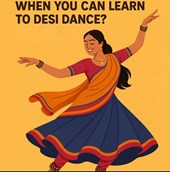
Why Learn to Dance When You Can Learn to Desi Dance?
Bollywood thumkas, elegant mudras, and energetic bhangra hops — Indian dance isn’t just movement, it’s emotion, culture, and cardio rolled into one! And no matter where you live — New Jersey or Nova Scotia — the rhythm of your roots still calls.
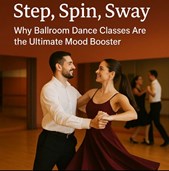
Step, Spin, Sway: Why Ballroom Dance Classes Are the Ultimate Mood Booster
Whether you're looking to impress at a wedding, spice up date night, or just find a new way to move—Ballroom dance classes are your ticket to rhythm, confidence, and pure joy. What Is Ballroom Dancing, Really? Ballroom dancing isn’t just abou
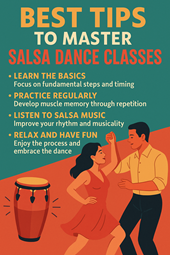
Best Tips to Master Salsa Dance Classes
Salsa dancing is not just a dance; it’s a vibrant expression of culture, rhythm, and joy! Whether you’re a complete beginner or looking to refine your skills, mastering salsa can be an exhilarating journey. At Sulekha Dance Services, we believe that
Indian Dance Classes for Beginners- Breaking down Barriers and Building Confidence
Introduction to Indian Dance Indian dance
Folk Dance Classes for Kids: Building Cultural Awareness and Appreciation
Dance is more than just movement; it's a celebration of culture, history, and tradition. For kids, learning folk dances provides a unique opportunity to connect with their roots, appreciate diversity, and develop a sense of belonging. At Sulekha Danc
Bollywood Dance Classes: A Fun and Energetic Way to Stay Fit
Groove to the Rhythm In the heart of bustling cities, where neon lights flicker and music reverberates through the streets, Bollywood dance classes come alive. These vibrant sessions blend fitness with the infectious beats of Hindi cinema, creating