Your Complete Guide to Coverage: Health, Life, Business & Beyond

Insurance can feel like a maze. You hear a dozen terms, see a hundred plan options, and still wonder what you actually need. This insurance coverage guide is here to make things simple. You will understand the major types of insurance, what each one protects, and how to pick a plan that matches your life, family, and work goals. By the end, you will feel ready to compare insurance plans confidently and choose coverage that truly supports you.
Why insurance matters more than ever
Life is full of surprises. Some are wonderful, and some can hit your finances hard. Insurance turns those unpredictable moments into manageable ones. Whether it is a medical emergency, an accident, property damage, or income loss, the right financial protection plans help you stay steady when life shifts.
Insurance is not only about paying claims. It is about peace of mind. It protects your savings, your loved ones, your home, and your long-term goals. A well-chosen set of policies can stop one unexpected event from turning into years of financial pressure.
Understanding the main types of insurance
Let’s break down the essential categories most people consider and why each one matters.
Health protection
Health insurance coverage is designed to handle medical costs like doctor visits, hospital stays, surgeries, tests, and prescriptions. It is often the first and most important policy people buy because healthcare costs rise every year, and emergencies do not come with a warning.
There are two common ways to structure it:
- Individual health insurance for one person. This is ideal for students, retirees, single earners, or anyone without employer coverage.
- Family insurance plans that cover you, your spouse, children, and sometimes dependent parents. This can be cost-effective compared to multiple individual policies.
When evaluating the best health insurance plans, look beyond the headline price. A plan may be cheap but still leave you paying a lot during emergencies. Pay attention to:
- Network hospitals and doctors
- Coverage limits and room rent caps
- Waiting periods and exclusions
- Cashless treatment options
- OPD, maternity, and critical illness add-ons
- Pre-existing condition coverage rules
A smart step is to always compare insurance plans on both premium and real benefits before choosing.
Life protection
Life insurance coverage helps your family stay financially secure if something happens to you. It supports income replacement, debt repayment, children’s education, and future stability.
The two most common forms are:
- Term life insurance This offers high coverage for a lower cost over a fixed period. If the insured person passes away during the term, the beneficiaries receive the payout. It is simple, affordable, and strongly recommended for primary earners.
- Whole life insurance This lasts for your lifetime and usually builds cash value over time. Premiums are higher, but it can help with long-term planning, legacy goals, or wealth transfer.
Choosing between these depends on your responsibilities, horizon, and budget. Many people start with term coverage for strong protection, then add whole life later if they want lifelong security plus savings benefits.
Protection for your work and property
Beyond health and life, modern risk often comes from business activity, property ownership, and income exposure. This is where business and liability policies play a big role.
- Business insurance coverage protects your company or professional work from unexpected losses.
- Small business insurance is tailored for local service providers, shops, and new ventures that need affordable protection.
- Commercial insurance plans are designed for larger operations, covering employees, equipment, property, and operational risks.
- Liability insurance for business covers claims if someone is injured, their property is damaged, or they experience loss because of your services or products.
Even if you run a side hustle, an online service, or a small office, these policies can protect you from costs that would otherwise come out of your pocket.
Services many people choose in real life
Most households and professionals build coverage by combining a few key policies. Common services include:
- Health Insurance
- Personal Insurance
- Disability Insurance
- Retirement Insurance Planning
- Medicare Insurance and Medicare Advisors
- Burial Insurance
- Travel Medical Insurance
- Domestic Insurance
- Mortgage Insurance
- Life Insurance
You may not need all of these today, but understanding them helps you plan for different stages of life. Insurance works best when layered thoughtfully, not purchased randomly.
Insurance premiums explained clearly
Premiums confuse a lot of people, so here is insurance premiums explained in plain words.
A premium is the amount you pay to keep a policy active. Insurers calculate premiums based on age, health, risk level, coverage amount, occupation, lifestyle habits, and policy term.
In general:
- Higher coverage means higher premiums
- Younger and healthier people pay less
- Longer policy terms cost more
- Adding riders and extra benefits increases cost
- Riskier work or habits can raise premiums
Instead of chasing the lowest premium, aim for the best value. A slightly higher premium with wider benefits can save you far more in an emergency.
What benefits should you look for
Every policy comes with specific insurance policy benefits. Your job is to check whether those benefits match your real risks.
Ask yourself:
- What risks could hurt me financially the most
- Who depends on me and for how long
- What expenses would be hardest to manage suddenly
- What lifestyle or work situations increase my risk
If your focus is medical security, prioritize strong hospital networks, low exclusions, and high claim ease. If your focus is family stability, prioritize high life coverage and clear payout rules. If your focus is protecting work, prioritize property, employee safety, and liability coverage.
Understanding benefits clearly helps you avoid underinsurance and overpaying for features you do not need.
How to choose insurance without stress
If you are wondering how to choose insurance, use this step-by-step approach.
- List your risks. Medical costs, dependents, loans, income gaps, travel, and property are typical risks.
- Start with must-haves. Most people need health and life protection first. Business and asset coverage come next.
- Set a realistic premium range. Your premium should fit your monthly budget comfortably. Insurance should support your life, not strain it.
- Check claim reputation. A policy is only valuable if claims are processed smoothly and fairly.
- Study exclusions. Exclusions tell you what is not covered. Reading these prevents surprises later.
- Review your coverage every year. Marriage, children, new property, or a growing business can change your needs.
- Always compare before you buy. Use trusted tools to compare insurance plans by coverage limits, waiting periods, claim ratios, and actual out-of-pocket costs.
This method keeps the decision simple and grounded.
Insurance for self employed people
If you are freelance, consulting, or running your own setup, insurance for self employed individuals is essential because you do not have an employer plan to fall back on.
A practical coverage mix includes:
- Strong health insurance coverage for routine and emergency care
- Term life insurance that matches your income and dependents
- Disability or income replacement riders for work continuity
- If your work involves clients, add business insurance coverage and liability insurance for business
- If you have employees or a workspace, look into small business insurance or commercial insurance plans
Think of insurance as your personal safety system. It protects your earnings, your future, and your family even when your income depends fully on you.
Conclusion
Insurance is not a one-size decision. The right mix depends on your health needs, family responsibilities, and work risks. Use this insurance coverage guide as a reference whenever you feel unsure.
- Start by understanding the core types of insurance that apply to you.
- Prioritize health insurance coverage first, then choose life insurance coverage based on your dependents and goals.
- Decide between term life insurance and whole life insurance depending on whether you want affordable long-term protection, lifelong security, or both.
- For professionals and owners, add business insurance coverage, including small business insurance, commercial insurance plans, and liability insurance for business to protect what you are building.
- If you are independent, explore insurance for self employed options early so your income and future stay secure.
- Review insurance policy benefits, understand insurance premiums explained clearly, and always compare insurance plans before finalizing.
- With the right financial protection plans, you protect today’s stability and tomorrow’s dreams.
Finally, if you want expert help choosing the right coverage, Surai Financial LLC - Insurance Services will guide you through every step and support you with a wide range of solutions
Searching for Insurance Services? Let’s make your search simple with professionals!
Take your Insurance Services to the next level with Sulekha. Boost your online visibility, connect with more clients, and grow effortlessly!




Blogs Related to Insurance Services

Your Complete Guide to Coverage: Health, Life, Business & Beyond
Insurance can feel like a maze. You hear a dozen terms, see a hundred plan options, and still wonder what you actually need. This insurance coverage guide is here to make things simple. You will understand the major types of insurance, what each one

Why Umbrella Insurance Is the Ideal Extra Shield You Need
What in the World Is Umbrella Insurance, Anyway? Ever wished you had a “plan B” for life’s curveballs? That’s where umbrella insurance steps in—a policy that acts like a safety net when your other coverages reach their limit.

Mortgage Insurance: Your Safety Net When Homeownership Gets Risky
What Is Mortgage Insurance and Why Does It Matter? Mortgage insurance is a financial buffer that protects lenders if a borrower defaults on their home loan. But for homeowners, it’s more than just a lender’s safety net — it’s a gateway to homeowner

Life Insurance: More Than a Policy, it is Peace of Mind
When you think of life insurance, chances are you picture endless paperwork, confusing jargon, and sales calls that never end. But let’s pause for a second. Life insurance isn’t just a policy—it’s a promise. A promise that your loved ones will be pro

Insurance Isn’t Just a Policy—It’s Peace of Mind. Here’s Why You Need It Now
We get it—insurance sounds like paperwork, premiums, and fine print. But in reality? It’s your safety net. Your backup plan. You're a quiet superhero who shows up when life throws curveballs. Whether it’s a fender bender, a sudden illness, or a h
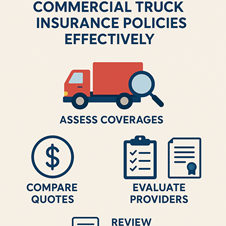
How to Compare Commercial Truck Insurance Policies Effectively
In the fast-paced world of commercial trucking, having the right insurance isn't just a legal requirement—it's your financial safety net when the unexpected happens. But with countless providers offering seemingly similar policies, how do you cut thr